The failure of The International non-governmental organizations (INGO's) Working in Kenya and Somalia tackling the Horn of Africa Drought
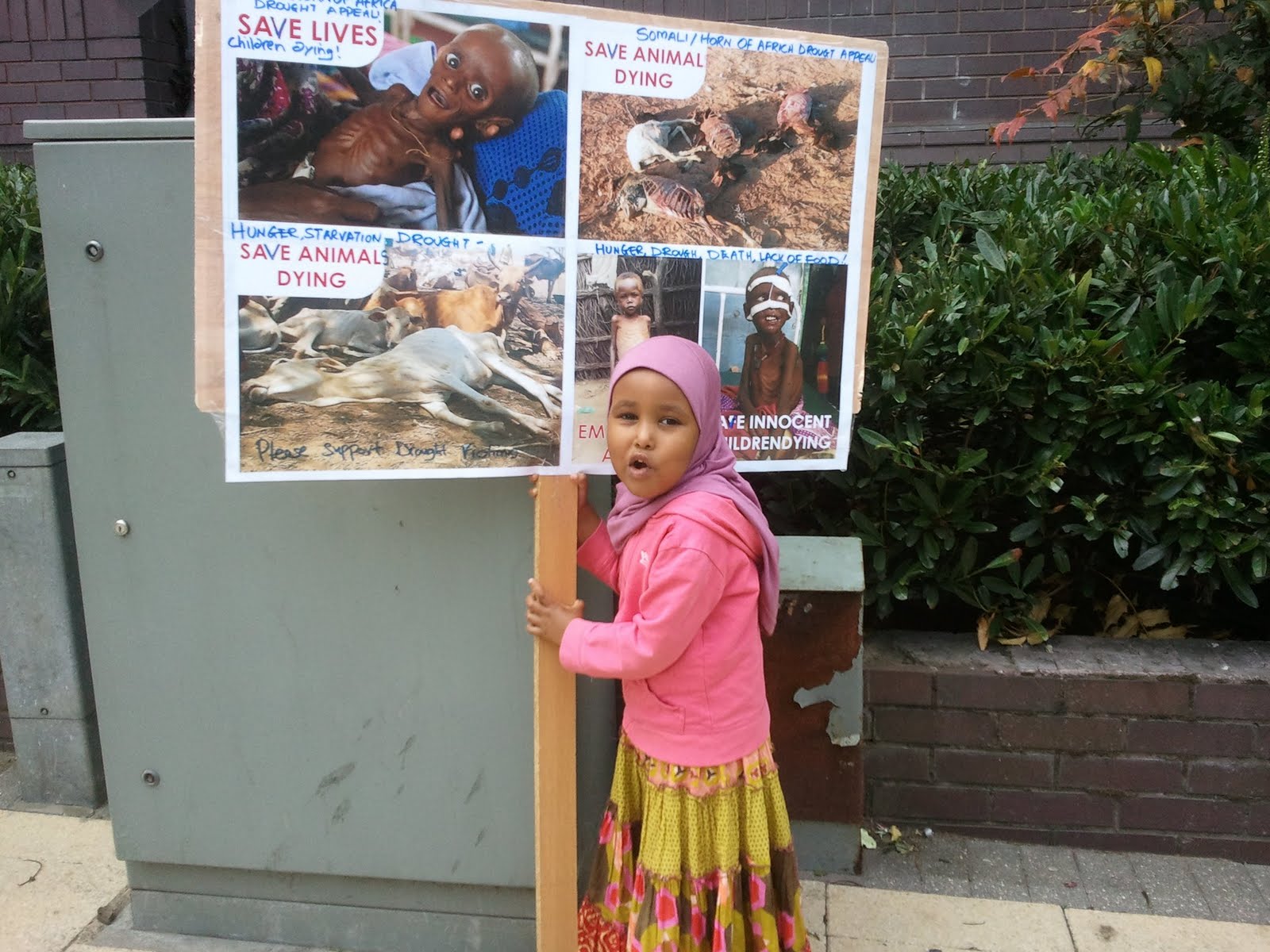
On behalf of well recognized local NGOs in Kenya and Somalia, We are condemning all The International non-governmental organizations (INGOs) based in Kenya and Somali on their recent lack of clear policies and decisions on tackling the Horn of Africa drought where more than 10 million people are thought to have been affected across the region including large areas of Somalia, Ethiopia, Djibouti and Kenya as a crisis or an emergency. The drought and war in Somalia has led to unprecedented numbers fleeing across the border into Kenya, with about 3,500 people arriving every day. Three camps at Dadaab, just inside Kenya, are home to well over 350,000 people, but they were built to hold just 90,000 and are severely overcrowded.
Humanitarian relief is worth as much as $10 billion annually, funded and delivered through a mosaic of donor organizations, bilateral and multilateral agencies, NGOs, Red Cross movement agencies, private contractors and military force.
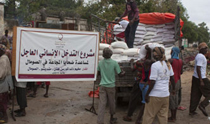
The International non-governmental organisations (INGOs) have failed to ensure food security and it's our ultimate warns that the situation is continuing to deteriorate, and the number of people in need will continue to increase. Thought we are trying helping the drought victims but getting aid deeper into Somalia is very slow, very complicated and very dangerous failed by The International non-governmental organisations (INGOs). The International non-governmental organisations (INGOs) are not taking the necessary measures; the Horn of Africa famine is the scandal of this century.
We are dozen of experienced local aid organisations already working throughout Somalia, Kenya - a fact that often gets lost in the furore over al-Shabab's hostile attitude towards some of the bigger The International non-governmental organisations (INGOs).We have asked to work with in partnership with The International non-governmental organisations (INGOs) but one is willing to work with us. We are local, well respected and have great trust within in Kenya and Somalia.
The International non-governmental organisations (INGOs) do operate according to various norms and guidelines, that there is no also a significant diversity in approach, and in the degree of coherence between them. Each tier of this relief chain creates risks of mismanagement, diversion and corruption, potentially reducing the assistance that reaches people in need. As recent scandals relating to sexual exploitation have shown, the corrupt abuse of the power involved in the aid relationship may not only be financial. The process of deciding who gets assistance in emergencies offers a series of opportunities for corruption. The recipients of aid are often particularly vulnerable to abuse, such as demands for payment to be included on registration lists. The time pressures of emergencies, large-scale procurement processes, rapid recruitment and dramatically expanding budgets all raise further corruption risks.
It is a shame that in the twenty first century, a century heralded by great advances in technology and developed economies that drought and famine still persists in some parts of the world. The end of the Cold War increased the hope of many people that the world's political and economic system would be changed for better, following the narrowing of ideological differences that had so polarized the world. It was hoped that humanity would be better off, as everyone benefited from a new era of world peace and economic development.
The International non-governmental organizations (INGOs) are not supporting through finance and technical to drought stricken victims, not investing in national or local capacity for a sustained response to hunger and supporting local, national regional initiatives. They are not increasing funding for cash transfers to needy families and reduce the emphasis on in-kind food aid. Where such aid is needed, it should be sourced in-country or regionally in order to strengthen local livelihoods.
The International non-governmental organizations (INGOs) in Kenya and Somalia are not committing in working in partnership on food and agriculture, which should build on existing global, regional, national and local mechanisms, and are not sustaining the collaboration, not ensuring effective co-ordination, enforcement of local agreements, and convergence of support from international institutions around improved national, local-level responses.
The International non-governmental organizations (INGOs) are not strengthening local and national mechanisms of prevention and response to food crises rather than just delivering aid to people and not supporting local civil-society organizations to participate in shaping and implementing national food, agriculture, and social protection policies.
Corruption, in efficiency and Ineffective among The International non-governmental organizations (INGOs) has largely contributed to the failure of talking the Horn of Africa drought.
We urge the Kenya Government to and other governments to intervene the situation which thousands of innocent drought victims are dying every day.
We look forward to receiving your response.
Yours sincerely,